Top 5 Beginner Crypto Wallets
Introduction
Choosing your first cryptocurrency wallet can feel overwhelming with hundreds of options available in 2025. The wrong choice can lead to lost funds, security vulnerabilities, or frustrating user experiences that discourage further crypto exploration.
This comprehensive guide evaluates the top 5 beginner-friendly crypto wallets based on security, ease of use, supported features, and overall reliability. We've tested each platform extensively to help newcomers make informed decisions about their first crypto storage solution.
Our selection includes both software and hardware options, covering different security models from custodial to self-custody approaches. Each wallet has been chosen for its ability to balance user-friendliness with robust security features essential for protecting digital assets.
The cryptocurrency landscape has evolved significantly, with wallet technology becoming more sophisticated while maintaining accessibility for newcomers. Modern beginner wallets now offer features like built-in DeFi access, NFT support, and multi-chain compatibility without sacrificing the simplicity that new users need.
Security remains the paramount concern. When selecting a crypto wallet. Our recommended wallets implement industry-standard encryption, secure key management, and recovery mechanisms that protect against both technical failures and user errors. Each option provides clear backup procedures and recovery processes that beginners can follow confidently.
The cryptocurrency wallet landscape has evolved significantly in 2025, with improved user interfaces, enhanced security protocols, and better integration with decentralised finance applications. For beginners, the key considerations include ease of setup, backup and recovery processes, the quality of customer support, and the ability to grow with your crypto journey as you become more experienced.
Whether you're looking for a simple mobile app to buy your first Bitcoin or a comprehensive solution with advanced features like staking and DeFi interactions, our curated list offers options for beginners of every type. Each recommendation includes detailed analysis of security features, supported cryptocurrencies, fees, and user experience to help you make the best choice for your specific needs and technical comfort level.
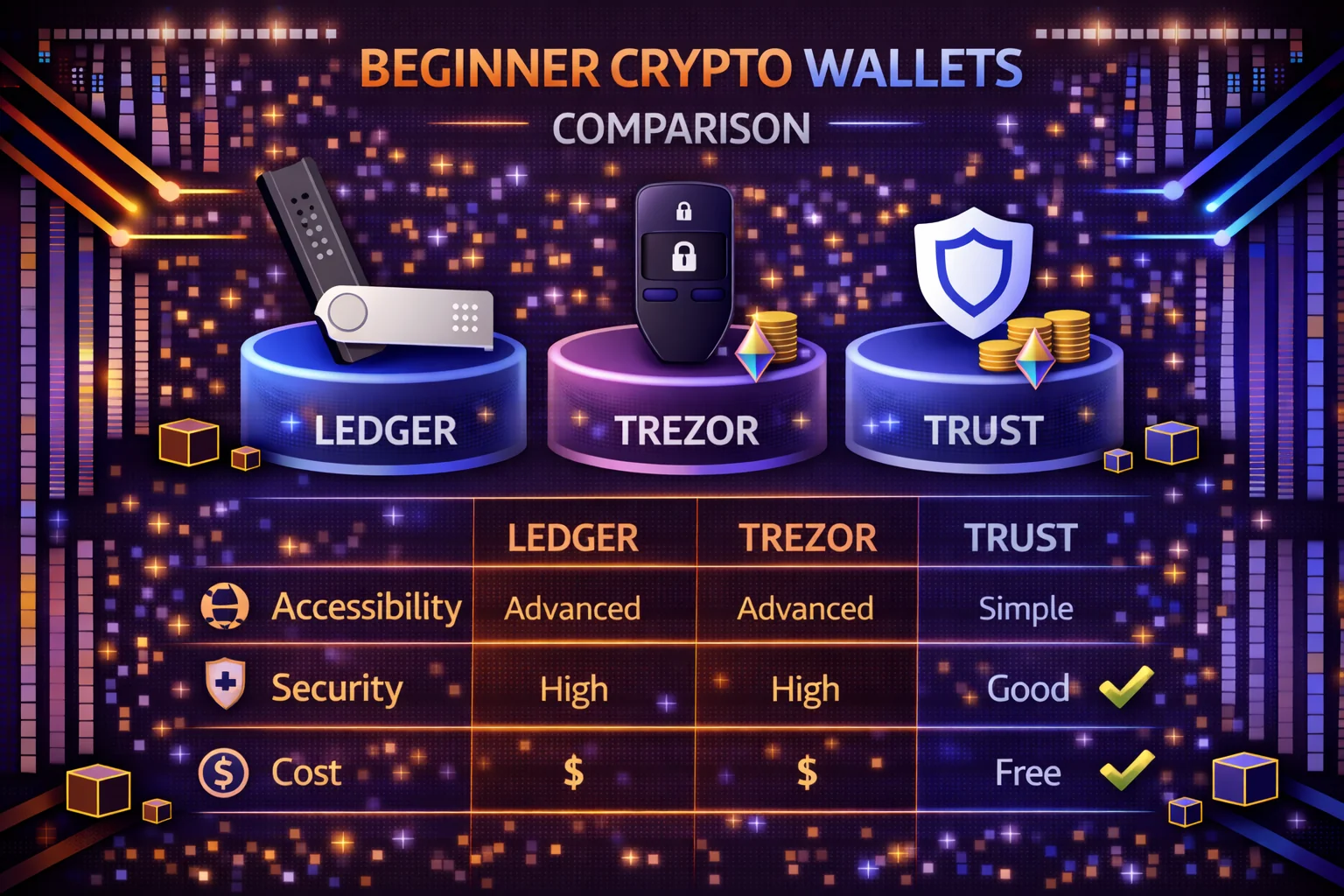
Understanding the different types of wallets and their trade-offs should be your first step before choosing a storage solution. From simple mobile apps that you can set up in minutes to hardware devices that maximise your security, each approach serves different needs and risk tolerances depending on your experience level.
The security landscape for cryptocurrency wallets has matured considerably, with leading platforms implementing multi-factor authentication, biometric security, and advanced encryption standards that rival those of traditional banking. However, the fundamental principle of cryptocurrency remains unchanged: users who control their private keys have complete responsibility for their asset security.
Whether you're looking to store Bitcoin for long-term investment, explore DeFi applications, or understand how cryptocurrency wallets work, this guide provides practical insights and step-by-step instructions. Recommendations for getting started safely in 2025.
We'll cover setup processes, security best practices, fee structures, and advanced features to help you choose the wallet that best matches your needs, technical comfort level, and investment goals in the evolving cryptocurrency landscape.
You can find the easiest and safest wallets to get started in crypto right here. Compare Simple Wallet, Trust Wallet, MetaMask, Kraken Wallet and Ledger Nano X to discover which solution should work for your needs in 2025.
Why Newcomer-Friendly Storage Solutions Matter
In 2025, digital assets are mainstream - but onboarding still trips up newcomers. A quality entry-level storage solution balances security with ease-of-use, helping you store Bitcoin, Ethereum and stablecoins without confusing seed phrase setups or hidden swap fees.
The Evolution of Digital Asset Management
Modern cryptocurrency storage has evolved significantly from the early days of complex command-line interfaces and technical barriers. Today's solutions prioritise user experience while maintaining robust security protocols. The best platforms combine institutional-grade protection with consumer-friendly interfaces.
Regulatory clarity in 2025 has also improved the landscape. Clear guidelines from financial authorities provide confidence for both developers and users, leading to more polished products with better compliance features built-in.
Custodial vs Self-Custody - What to Know
Custodial storage solutions (like exchanges) hold your keys for you - convenient, but less control. Self-custody solutions put you in charge of your private keys. Lose the phrase? Lose your funds. This guide favors storage solutions that keep things simple while empowering full ownership.
Hybrid Approaches Gaining Popularity
Many modern platforms offer hybrid models that combine the convenience of custodial services with the security benefits of self-custody. These solutions use multi-signature technology, social recovery mechanisms, and progressive decentralisation to provide the best of both worlds.
Smart contract-based recovery systems allow you to regain access through trusted contacts or time-locked mechanisms, reducing the catastrophic risk of lost seed phrases while you maintain sovereignty over your assets.
Assessment Criteria
- Streamlined Onboarding (quick setup, intuitive UX)
- Protection Features (biometric lock, PIN, hardware pairing)
- Multi-Chain and Delegation Capabilities
- Exchange and Fee Transparency
- Active Development & Community Trust
User Experience Priorities
The most successful cryptocurrency storage platforms in 2025 prioritise your experience without compromising security. You should look for clear onboarding flows, intuitive navigation, helpful error messages, and comprehensive educational resources integrated directly into the interface.
Advanced features like transaction batching, gas optimisation, and automated portfolio rebalancing should now be standard expectations rather than premium features. You can find the best platforms making these complex operations accessible through simple, guided interfaces.
Quick Platform Comparison Table
| Solution | Category | Networks | Key Features | Optimal For |
|---|---|---|---|---|
| Simple Storage | Mobile (Self-Custody) | BTC, ETH, L2s, USDT | No KYC, biometric unlock | Complete newcomers |
| Trust Storage | Mobile | 60+ networks | Built-in DEX, NFT capabilities | Multi-chain explorers |
| MetaMask | Mobile + Browser | EVM networks | DeFi gateway, Ledger compatibility | DeFi participants |
| Kraken Storage | Mobile (CEX-Linked) | 35+ assets | Instant on-ramp, delegation hub | Exchange participants |
| Ledger Nano X | Hardware Device | 1000+ assets via Ledger Live | Bluetooth, secure chip | Long-term holders |
| Exodus | Desktop + Mobile | 260+ assets | Built-in exchange, portfolio tracker | Desktop users |
| Coinbase Wallet | Mobile + Browser | Ethereum + L2s | DeFi integration, ENS support | Coinbase users |
| Phantom | Mobile + Browser | Solana + Ethereum | NFT support, Solana DeFi | Solana ecosystem |
Comprehensive Platform Reviews
1. Simple Storage - Ultimate for Newcomers
Zero KYC, no email sign-up, seed phrase shown once. Simple Storage makes self-custody accessible with Face ID or fingerprint unlock. Perfect for first-timers intimidated by MetaMask. Seamlessly pairs with mobile DeFi applications via WalletConnect.
Core Capabilities
- No Registration Required: Download and start using immediately without email or phone verification
- Biometric Protection: Face ID and fingerprint unlock for quick access
- Multi-Network Compatibility: Bitcoin, Ethereum, Polygon, and major Layer 2 networks
- WalletConnect Integration: Connect to 1000+ DeFi applications seamlessly
- Built-in Exchange: Trade tokens directly within the app using DEX aggregators
Advantages and Limitations
Advantages: You will find it extremely user-friendly, with no KYC requirements, strong protection capabilities, and regular updates that keep your assets secure.
Limitations: You should be aware of limited advanced capabilities, and the newer platform comes with a smaller community than established alternatives.
2. Trust Storage - All-in-One for Alternative Networks
Fully noncustodial and owned by Binance. Accommodates 60+ networks, NFTs, and built-in exchanges via DEX aggregators. It's the Swiss Army knife of storage solutions - but don't forget to back up your seed phrase offline.
Comprehensive Capabilities
- Multi-Network Excellence: Compatibility for 60+ blockchains including Ethereum, BSC, Solana, and Cosmos
- NFT Gallery: View, send, and receive NFTs across multiple networks
- Built-in DEX: Exchange tokens using integrated decentralised marketplace aggregators
- Delegation Rewards: Delegate supported digital currencies directly from the storage solution
- DApp Browser: Access decentralised applications without leaving the interface
- Price Monitoring: Real-time portfolio tracking with price alerts
For detailed analysis of Trust Wallet's features and security, read our comprehensive Trust Wallet review.
Protection and Backup
Trust Storage generates a 12-word recovery phrase during setup, and you must write it down immediately on paper. You maintain full control of your private keys, with no data stored on Trust Storage servers. You should also enable transaction signing verification and consider pairing with a hardware device for enhanced protection.
3. MetaMask - The DeFi Workhorse
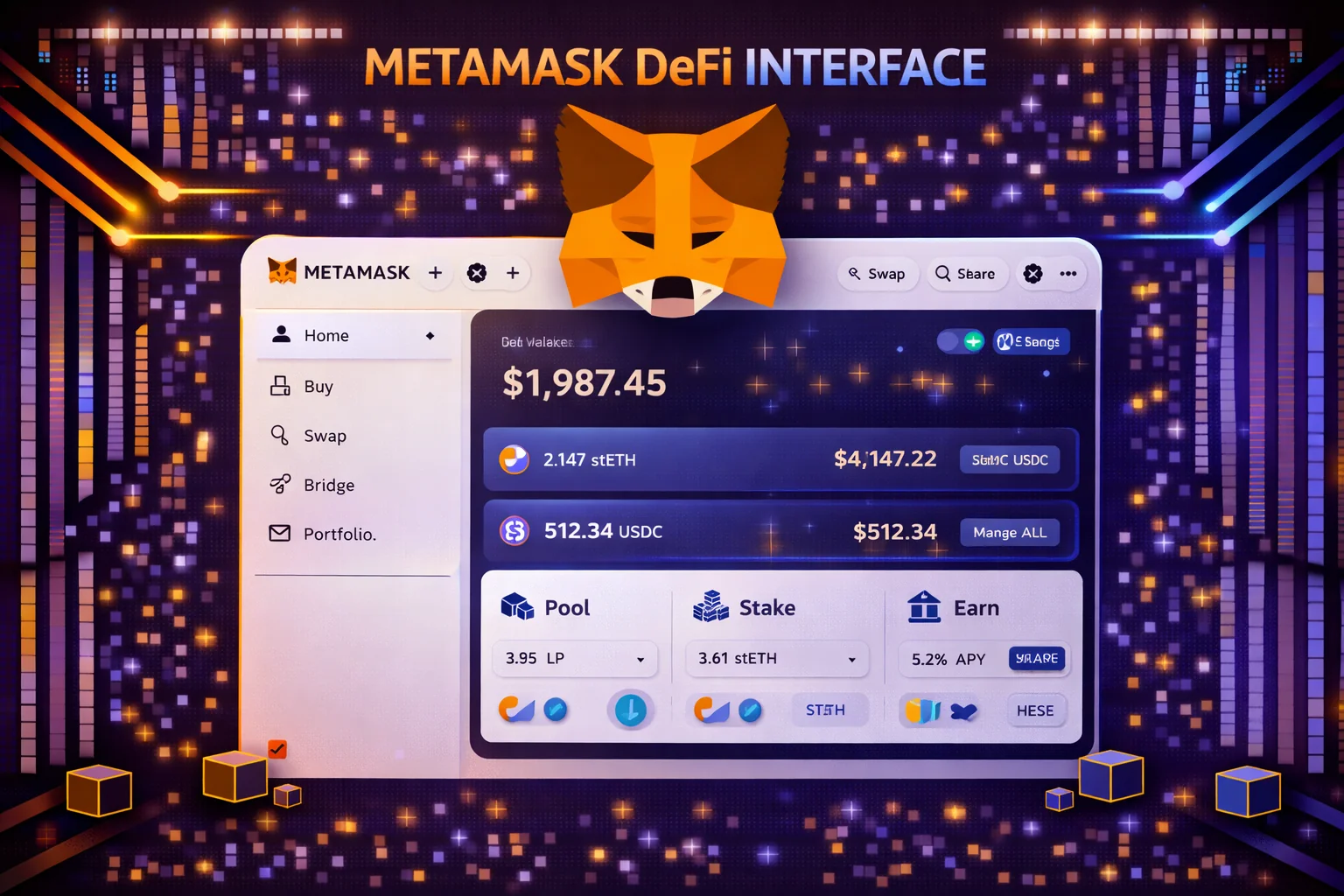
You should think of MetaMask as the EVM standard for your DeFi activities. It accommodates zkSync, Arbitrum and Optimism, and you can pair it with Ledger Nano X for cold storage. You must always verify URLs and disable auto-approve for protection.
DeFi Integration Excellence
- Universal DeFi Access: Compatible with 99% of Ethereum-based applications
- Layer 2 Compatibility: Native integration with Arbitrum, Optimism, Polygon, and zkSync
- Custom Networks: Add any EVM-compatible blockchain manually
- Token Management: Automatic token detection and custom token addition
- Transaction Control: Adjust gas fees and transaction speed
- Hardware Integration: Seamless pairing with Ledger and Trezor devices
Advanced Protection Capabilities
MetaMask offers transaction simulation so you can preview outcomes before signing, phishing detection to protect you from malicious websites, and customisable protection settings. You can manage multiple accounts and connect different accounts to different websites for enhanced privacy.
4. Kraken Storage - Exchange Convenience + Self-Custody
Launched in 2024, Kraken Storage lets you withdraw directly from Kraken and delegate assets in-app. Fully audited open-source code gives added peace of mind.
Exchange Integration Benefits
- Direct Withdrawals: Move funds from Kraken marketplace to storage solution instantly
- Integrated Delegation: Delegate ETH, DOT, ADA, and other assets with competitive rates
- Fiat On-Ramp: Purchase digital assets directly with credit cards and bank transfers
- Professional Trading: Access advanced trading capabilities through Kraken Pro integration
- Regulatory Compliance: Benefit from Kraken's strong regulatory standing
Open Source Transparency
Kraken Wallet's code is fully open source and regularly audited by security firms, so you can verify every line yourself. This transparency allows your community to check security implementations and contribute to ongoing development, building trust through accountability.
5. Ledger Nano X - Industry Standard Hardware
For serious storage, you should consider Ledger Nano X as the gold standard. You get Bluetooth support, Ledger Live integration for swaps and staking, and CC EAL5+ certified security. The downside is the ~$149 price tag and occasional firmware updates you must install promptly.
Hardware Security Excellence
- Secure Element Chip: Bank-grade security with CC EAL5+ certification
- Bluetooth Connectivity: Wireless transactions with mobile devices
- Massive Asset Support: Store 5,500+ cryptocurrencies and tokens
- Ledger Live Integration: Comprehensive portfolio management and staking
- Third-Party Compatibility: Works with MetaMask, Phantom, and 50+ wallets
- Recovery Options: 24-word seed phrase with optional passphrase protection
Investment Considerations
Whilst the $149 price point is higher than that of software wallets, Ledger Nano X provides unmatched security for long-term holdings. The device pays for itself by preventing potential losses from software wallet vulnerabilities or exchange hacks. Read our detailed Ledger Nano X review for Bluetooth benchmarks and battery life testing, or visit our Trezor hardware wallet guide for alternative hardware options.
Step-by-Step Setup Guides
Setting Up Your First Wallet
Regardless of which wallet you choose, follow these essential steps for secure setup:
Initial Setup Process
- Download from Official Sources: Always download wallets from official websites or verified app stores
- Create Strong Passwords: Use unique, complex passwords for wallet access
- Enable Biometric Security: Set up Face ID, fingerprint, or PIN protection
- Backup Recovery Phrase: Write down seed words on paper, never store digitally
- Verify Backup: Test recovery process with small amounts before large transfers
- Update Regularly: Keep wallet software updated for latest security patches
Common Setup Mistakes to Avoid
- Screenshotting or photographing seed phrases
- Storing recovery words in cloud services or email
- Using the same password across multiple wallets
- Skipping backup verification steps
- Downloading wallets from unofficial sources
How to Choose the Right Wallet for You
Decision Framework
Consider these factors. When selecting your first crypto wallet:
Technical Comfort Level
- Complete Beginner: Simple Wallet or Kraken Wallet for easiest onboarding
- Some Tech Experience: Trust Wallet for comprehensive features
- DeFi Interested: MetaMask for maximum compatibility
- Security Focused: Ledger Nano X for hardware protection
Use Case Considerations
- Holding Only: Hardware wallet or simple mobile wallet
- Active Trading: Exchange-integrated wallet like Kraken
- DeFi Participation: MetaMask or Trust Wallet for dApp access
- Multi-Chain Assets: Trust Wallet for broad blockchain support
Budget Considerations
Software wallets are free but you must follow careful security practices to protect your funds. Hardware wallets cost $50-150 but provide superior security for your larger holdings. You should consider hardware wallets essential for amounts exceeding $1,000.
Comprehensive Security Best Practices
Essential Security Measures
- Recovery Phrase Protection: Write on paper, store in a fireproof safe, never screenshot or cloud-store
- Multi-Factor Authentication: Enable biometrics, strong PIN codes, and hardware key support where available
- Transaction Verification: Always verify recipient addresses and amounts before confirming
- Phishing Awareness: Beware fake support messages, never share seed phrases with anyone
- Regular Updates: Keep wallet software updated for latest security patches
- Network Security: Avoid public WiFi for wallet access, use VPN. When necessary
Advanced Security Tips
- Test Transactions: Send small amounts first to verify addresses and processes
- Multiple Wallets: Use different wallets for different purposes (trading vs holding)
- Regular Audits: Review wallet permissions and connected applications monthly
- Backup Verification: Periodically test recovery process with small amounts
- Social Engineering: Be sceptical of unsolicited help or investment opportunities
Red Flags to Watch For
- Unsolicited messages claiming wallet issues
- Requests to "validate" or "synchronise" your wallet
- Fake customer support asking for seed phrases
- Suspicious transaction requests or approvals
- Wallet apps from unofficial sources
Understanding Fees and Fiat On-Ramps
Wallet Fee Structures
Most wallets are free to download and use, but you should be aware that various fees apply for different operations:
Common Fee Types
- Network Fees: Blockchain transaction costs (gas fees) - unavoidable
- Swap Fees: 0.3-1% for in-wallet token exchanges
- Fiat Purchase Fees: 2-5% for credit card crypto purchases
- Staking Fees: 5-25% commission on staking rewards
- Bridge Fees: Cross-chain transfer costs vary by network
Fiat On-Ramp Options
Getting money into crypto varies by wallet and region, so you should compare your options carefully. Here is how each wallet handles fiat purchases for your convenience:
Wallet-Specific On-Ramps
- Simple Wallet: Partners with exchanges like Binance for purchases
- Trust Wallet: Integrated Simplex and MoonPay for direct card purchases
- MetaMask: Multiple providers including Transak and Wyre
- Kraken Wallet: Direct integration with Kraken exchange, Apple Pay support
- Ledger Live: Coinify integration with higher spreads but convenience
Cost optimisation Strategies
- Compare Rates: Check multiple providers before purchasing
- Use Exchanges: Often cheaper than in-wallet purchases
- Batch Transactions: Combine multiple operations to save on network fees
- Time Transactions: Use lower gas fees during off-peak hours
- Choose Networks Wisely: Use Layer 2 solutions for cheaper transactions
Advanced Security Considerations and Best Practices
Multi-Wallet Strategy Implementation
Professional cryptocurrency management often involves implementing a multi-wallet strategy that balances security, accessibility, and functionality across different use cases. Beginners should understand that using multiple wallets is not only acceptable but often recommended for optimal security and operational efficiency. A typical multi-wallet setup might include a hardware wallet for long-term storage, a mobile wallet for daily transactions, and a browser extension wallet for DeFi interactions, each serving specific purposes within a comprehensive cryptocurrency management framework.
When you implement a multi-wallet strategy, you must carefully consider seed phrase management, backup procedures, and operational security protocols that ensure each wallet serves its intended purpose without compromising your overall security. You can employ different wallets for different cryptocurrencies or blockchain networks, taking advantage of specialised features and optimisations that enhance security for your specific digital assets.
Institutional-Grade Security Practices for Individual Users
Individual cryptocurrency users can benefit significantly from adopting institutional-grade security practices that provide enhanced protection against sophisticated attacks and operational errors. These practices include implementing comprehensive backup strategies, using hardware security modules for critical operations, maintaining detailed transaction logs, and establishing clear operational procedures that minimise human error and maximise security effectiveness across all cryptocurrency management activities.
Your professional security practices should also encompass regular security audits, systematic software updates, comprehensive threat assessment procedures, and ongoing education about emerging threats. You can achieve security levels that exceed those of many professional organisations by systematically implementing proven security methodologies and continuously improving your cryptocurrency management capabilities.
Future-Proofing Your Wallet Selection
The cryptocurrency ecosystem continues to evolve rapidly, and you should select wallets that demonstrate strong development communities, regular security updates, and adaptability to emerging standards. Your future-proofing considerations must include evaluating the development team's track record, assessing the wallet's ability to integrate new blockchain networks, and understanding the upgrade path for security enhancements.
You should also understand the broader cryptocurrency ecosystem trends, including regulatory developments, technological innovations, and user experience improvements that will influence your wallet selection criteria over time. If you prioritise future-proofing, you can choose wallets with strong open-source communities, transparent development processes, and demonstrated ability to adapt to changing market conditions while maintaining security standards.
Market Trends Shaping Wallet Development
The cryptocurrency wallet landscape in 2025 is being shaped by several key trends that directly impact your experience as a beginner. You should understand these developments to choose wallets that will remain relevant and secure as the market evolves.
Account abstraction is revolutionising your user experience by eliminating the need for complex gas-fee calculations and seed-phrase management. You can now find leading wallets implementing smart contract wallets that allow social recovery, gasless transactions, and simplified onboarding processes that feel more like traditional banking applications.
Multi-chain integration has become standard rather than optional, and you should expect your wallet to seamlessly support Ethereum, Polygon, Arbitrum, Optimism, and other Layer 2 solutions without requiring you to understand the technical differences. This unified experience makes it easier for you to explore different blockchain ecosystems.
Enhanced security features now include biometric authentication, hardware security module integration, and advanced fraud detection systems. These improvements provide institutional-level security while maintaining the simplicity that beginners require for daily use.
Regulatory compliance features are becoming increasingly important as governments worldwide establish clearer cryptocurrency guidelines. You can now find modern wallets with built-in tax reporting tools, transaction categorisation, and compliance monitoring that help you stay within legal requirements without additional complexity.
The integration of traditional finance features, such as fiat on-ramps, debit card connectivity, and direct bank transfers, is making cryptocurrency wallets more accessible to mainstream users who expect seamless integration with mainstream financial services.
Educational Resources and Learning Path for Beginners
Understanding Cryptocurrency Fundamentals
Before selecting a wallet, beginners should understand fundamental cryptocurrency concepts, including public and private keys, blockchain networks, and transaction mechanics that form the foundation of secure cryptocurrency management. Educational resources include comprehensive guides that explain how cryptocurrencies work, the importance of private key security, and the differences between various blockchain networks that affect wallet selection and usage strategies for new users entering the cryptocurrency ecosystem.
Understanding wallet types and security models helps beginners make informed decisions about custody options, security trade-offs, and operational requirements that affect long-term cryptocurrency management success. Educational content should cover the differences between custodial and non-custodial solutions, hardware and software wallet options, and the importance of backup and recovery procedures that protect against loss while enabling confident cryptocurrency use and investment.
Step-by-Step Wallet Setup and Security
You should set up your wallet following comprehensive guides that walk you through installation, security configuration, and backup procedures step by step. These tutorials include screenshots, security checklists, and common-mistake prevention so you can avoid costly errors from the very beginning of your digital asset journey.
Your security education should cover password management, two-factor authentication setup, and recovery phrase storage best practices that protect you against various attack vectors. You must also learn about phishing prevention, secure communication practices, and operational security considerations that will help you develop comprehensive awareness throughout your cryptocurrency journey.
Practical Usage and Transaction Management
You can use practical guides to understand transaction processes, fee management, and network selection that will optimise your cryptocurrency experience while minimising costs. These tutorials show you how to send and receive cryptocurrencies, understand transaction confirmations, and manage network fees so you can participate confidently in decentralised finance activities.
As you gain experience, you should explore advanced topics including DeFi integration, multi-network management, and portfolio tracking that will expand your cryptocurrency capabilities. Your learning progression can include guides for yield farming, staking, and other advanced activities that require sophisticated wallet usage while you maintain appropriate security and risk management practices.
Common Mistakes and Prevention Strategies
Comprehensive mistake prevention guides help beginners avoid common errors, including incorrect address usage, inadequate backup procedures, and security oversights that could result in permanent cryptocurrency loss. Educational content includes real-world examples, prevention checklists, and recovery procedures that help new users understand potential risks whilst implementing appropriate safeguards and best practices for secure cryptocurrency management and use.
You must learn to recognise scams, prevent phishing attacks, and develop awareness of social engineering tactics that target cryptocurrency holders. These resources will help you build appropriate scepticism and verification practices, so you can participate confidently in legitimate cryptocurrency activities and investment opportunities.
Wallet Maintenance and Long-Term Management
Regular Security Updates and Maintenance
You should establish systematic maintenance routines for your wallet, including regular software updates, security reviews, and backup verification that ensure continued protection over time. First, check for wallet updates weekly, then verify your backup integrity monthly, and finally review your security settings to maintain optimal protection against evolving threats.
Your maintenance procedures should include periodic seed phrase verification, password updates, and device security reviews that protect against degradation of your security measures over time. Regular maintenance helps you identify potential issues before they become critical problems, while ensuring your wallet software remains up to date with the latest security patches.
Portfolio Growth and Wallet Evolution
As you gain experience and expand your cryptocurrency portfolio, your wallet needs will evolve to require additional features, enhanced security, or multi-asset support. You should understand when and how to upgrade your wallet solutions so you can make smooth transitions that preserve security whilst expanding capabilities to meet your changing investment objectives.
You must assess when to transition from beginner-friendly solutions to more advanced options, weighing the benefits and risks of different wallet types against your growing needs. Your wallet evolution requires careful planning and execution that maintains security standards while enabling access to advanced features that support your sophisticated cryptocurrency investment strategies.
Educational Resources and Community Support
Beginner wallet selection should prioritise platforms that provide comprehensive educational resources, active community support, and detailed documentation that help new users understand cryptocurrency fundamentals while developing practical skills for secure wallet management. Educational support includes step-by-step guides, video tutorials, and interactive learning materials that explain complex concepts in accessible terms while building confidence and competence in cryptocurrency operations and security practices.
Community support networks provide valuable assistance through user forums, expert guidance, and peer-to-peer learning opportunities that help beginners navigate challenges and develop expertise in cryptocurrency management. Strong community ecosystems offer troubleshooting assistance, best-practice sharing, and ongoing education that support long-term success whilst building connections with experienced users who can provide guidance and mentorship for continued learning and development in cryptocurrency investment and management strategies.
Professional educational resources include comprehensive security training, advanced feature tutorials, and strategic guidance that enables beginners to develop a sophisticated understanding of cryptocurrency management while maintaining appropriate risk management and security practices. Educational excellence ensures that new users can progress from basic operations to advanced strategies while maintaining security standards and operational competence through systematic learning and skill development that supports long-term cryptocurrency investment success and portfolio management excellence.
Final Recommendations and Next Steps
Selecting the right cryptocurrency wallet as a beginner is a crucial decision that impacts both your security and user experience in the digital asset ecosystem. Each of the five wallets reviewed offers unique advantages tailored to different user needs and technical comfort levels.
Simple Wallet excels for complete newcomers who prioritise ease of use and straightforward security. You should consider Trust Wallet if you want comprehensive multi-chain support for exploring various blockchain ecosystems. MetaMask remains your best option for DeFi interaction, offering unmatched compatibility with decentralised applications.
Kraken Wallet bridges the gap between exchange convenience and self-custody security, making it ideal for users who want to maintain control while benefiting from integrated trading features. Ledger Nano X represents the pinnacle of security for users ready to invest in hardware protection for their digital assets.
The key to success in cryptocurrency storage lies in starting with a wallet that matches your current knowledge level and gradually expanding your capabilities as you gain experience. Begin with smaller amounts to familiarise yourself with the interface and security practices before committing larger holdings.
Remember that wallet selection is not permanent – many experienced users employ multiple wallets for different purposes, such as using hardware devices for long-term storage while maintaining mobile wallets for daily transactions and DeFi interactions. The cryptocurrency ecosystem continues to evolve, introducing new features and enhanced security measures that make digital asset management increasingly accessible and secure.
Sources & References
Frequently Asked Questions
- What is the best wallet for complete beginners?
- Trust Wallet is best for complete beginners due to its simple interface, built-in DApp browser, and multi-chain support. It's free, easy to set up, and offers good security without overwhelming complexity.
- Do I need a hardware wallet as a beginner?
- Not immediately. Start with a mobile wallet like Trust Wallet or MetaMask for small amounts ($100–1000). Once you accumulate significant crypto ($1000+), invest in a hardware wallet like Ledger Nano S Plus for better security.
- Can I use multiple wallets?
- Yes, using multiple wallets is recommended. Use a mobile wallet for daily transactions and DeFi, and a hardware wallet for long-term holdings. This balances convenience with security.
- Are free wallets safe?
- Yes, reputable free wallets like Trust Wallet, MetaMask, and Exodus are safe. When used correctly. Always download from official sources, enable security features, and securely back up your recovery phrase.
- What if I lose my phone with my wallet?
- Your crypto is safe if you have your recovery phrase (12–24 words). You can restore your wallet on any device using this phrase. Never store it digitally or share it with anyone.
- Which wallet supports the most cryptocurrencies?
- Trust Wallet supports 10M+ tokens across 100+ blockchains, making it the most versatile. Exodus supports 260+ assets with excellent UI. Choose based on which specific cryptocurrencies you plan to hold.